At a Glance
You sit down for a cozy night by the fire, but your living room actually feels colder. That open masonry fireplace looks great, but it pulls the warm air right out of your home.
Losing heat drives up your utility bills and makes your living space uncomfortable. Direct Appliance has the perfect fix with a modern fireplace insert. We help you seal that draft and push the heat back where it belongs.
Here is what you will learn in this guide:
- How a sealed firebox stops drafts and increases efficiency.
- The true cost of units, venting, and labor.
- What to expect during a professional installation.
What is a Fireplace Insert?
A fireplace insert is a closed-combustion firebox designed to slide directly into an existing drafty masonry or prefabricated fireplace. Think of it like putting a tight thermos inside a leaky mug. The insert completely seals the chimney draft.
Upgrading an open wood fireplace stops massive heat loss. An open hearth pulls conditioned room air up the chimney, wasting energy. The sealed firebox of an insert traps the heat and radiates it outward. This creates a highly efficient heating source for your home.
Fireplace Insert Fuel Options
You have four main options when choosing the right fuel type for your home. We group these by their best use cases to help you decide.
- Gas fireplace inserts: Require a natural gas line or propane hookup. Best for push-button convenience and consistent, easily adjustable heat.
- Wood-burning inserts: Need seasoned cordwood and manual loading. Best for traditionalists who want real, roaring flames and high heat output during power outages.
- Electric fireplace inserts: Plug into standard electrical outlets. Best for low-maintenance aesthetics and simple installation in rooms that do not need heavy heating.
- Pellet inserts: Use compressed wood pellets and require electricity for the feed auger. Best for eco-conscious buyers wanting steady, automated wood heat.
Comparing Fireplace Insert Fuel Types
| Fuel Type | Average Unit Cost | Heating Efficiency | Maintenance Level | Installation Complexity |
|---|---|---|---|---|
| Gas | $2,000 - $4,500 | 70% - 85% | Low | High (requires gas and venting) |
| Wood | $1,500 - $3,500 | 65% - 80% | High | Medium (requires new flue liner) |
| Pellet | $2,000 - $4,000 | 75% - 85% | Medium | Medium (requires venting and outlet) |
| Electric | $300 - $1,500 | 99% | Very Low | Low (plug and play) |
How Much Does a Fireplace Insert Cost?
Your total project cost breaks down into the unit pricing and the labor for installation. The fireplace insert cost itself ranges from $1,500 to $4,500 depending on the fuel type and features. Labor adds another $1,000 to $3,000 to the final bill.
Variable cost factors heavily influence your total. You have to account for the chimney condition, running new gas or electric lines, custom surrounds, and whether you choose a direct vent fireplace insert or a vent-free model.
As a showroom expert, I always tell customers to budget for a Level 2 chimney inspection and a new flexible aluminum flue liner. We find that older chimneys almost always need a liner replacement to meet safety codes, which is a hidden cost many buyers miss.
The Pros and Cons of Fireplace Inserts

Upgrading to a fireplace insert brings massive improvements to your home's comfort and energy use. You just need to balance those long-term benefits against the upfront installation requirements.
Pros
Heating Efficiency
Delivers massive heating efficiency compared to open hearths.
Updated Aesthetic
Creates a stunning, updated aesthetic in your living room.
Stops Cold Drafts
Stops cold drafts from entering your home.
Cons
Financial Investment
Requires a significant upfront financial investment.
Structural Requirements
Needs existing structural requirements like a sound masonry firebox.
Viewing Area
Takes up some of the visible viewing area of the original opening.
How to Prepare for Fireplace Insert Installation
A standard fireplace insert installation starts with an initial showroom consultation and ends with final utility hookups. You first schedule a Level 2 chimney inspection to verify the safety of your structure.
Do not attempt to install an insert yourself. You need a licensed hearth professional to handle combustible gases, flexible aluminum flue liner installations, and strict building codes.
Our professional installation team follows a strict Day of Installation timeline. We arrive early to protect your floors, drop the new venting liner down the chimney, slide the insert into place, and finish the utility connections by mid-afternoon. We walk you through the controls before we leave.
Measuring Your Existing Fireplace
Getting accurate dimensions of your existing fireplace is the first step before shopping. You need to know the exact sizing to maintain safe clearances to combustibles and to choose the right surround panels. Proper sizing also dictates the BTU output needed for your room square footage.
- Measure the front width of the fireplace opening.
- Measure the back width at the deepest point of the firebox.
- Measure the depth from the front opening to the back wall.
- Measure the height from the floor to the top of the opening.
Are Fireplace Inserts Worth the Investment?
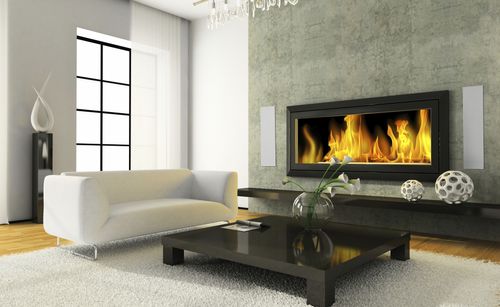
Installing a fireplace insert offers an incredible long-term return on investment. You will see immediate energy savings from reduced heat loss.
You also benefit from a potential increase in home value. You make a massive efficiency jump, going from just 15 percent efficiency in an open hearth to over 70 percent with a high-quality insert. The financial savings and the added comfort make this a highly rewarding upgrade.
Conclusion and Next Steps
A modern fireplace insert transforms a drafty, cold room into the warmest spot in your house. You gain incredible heating efficiency and lower your winter utility bills.
Visit Direct Appliance to shop for your new fireplace insert today. We offer expert showroom guidance, professional installation, and local customer service that big-box retailers simply cannot match.
Frequently Asked Questions about fireplace insert
It costs between $3,000 and $7,000 to purchase and install a fireplace insert. The final price depends on the specific fuel type, the chosen unit, and required venting modifications.
A traditional fireplace is an open masonry structure that loses most of its heat up the chimney. A fireplace insert is a closed-combustion firebox that slides into that opening to trap heat and radiate it into the room.
A gas fireplace insert needs an existing chimney structure to house its exhaust and intake venting. Installers drop a dual-liner system down the masonry chimney to safely vent the exhaust gases outside.
Most high-quality fireplace inserts last between 15 and 20 years with proper annual maintenance. Routine cleaning and professional inspections keep the firebox and venting in optimal condition.
High-efficiency fireplace inserts save money on heating bills by allowing you to zone-heat your main living space. This localized heating lets you lower the thermostat for the rest of the house, reducing overall energy consumption.
You cannot install a wood or gas fireplace insert yourself due to strict safety regulations and building codes. A certified professional must handle the combustible lines, drafting requirements, and final safety inspections.