
At a Glance:
Assessing Your Space and Layout
Installation, Wiring, and Long-Term Considerations
Creating the ultimate home theater is an exciting project, but it takes more than just picking a big-screen TV and a set of speakers. Proper planning ensures that your system delivers the immersive sound, crisp visuals, and comfortable viewing experience you’re hoping for.
Before you start buying equipment or pulling cables, it’s important to understand your space, select the right components, and plan for installation. From room layout and seating arrangements to speaker placement and wiring, each decision can have a big impact on your final home theater experience.
In this guide, we’ll walk you through what to know before installing a home theater system, helping you make informed choices that create a setup you’ll enjoy for years to come.
Explore Your Home Theater Possibilities
If you're considering a custom home theater for your home, talk to the experts at Direct Appliance. We can help bring your vision to life! Schedule a free consultation, and we'll guide you through everything from TVs and projectors to sound systems, wiring, seating, and lighting.
Book a Free ConsultationAssessing Your Space and Layout
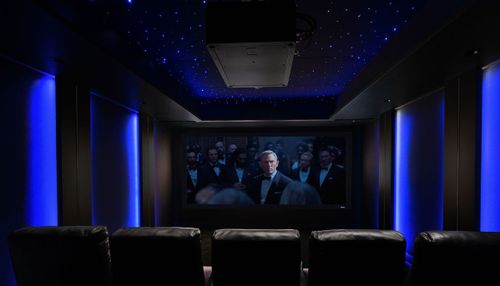
A carefully planned room layout can make all the difference in achieving an immersive audio and visual experience. Taking the time to evaluate your room ensures that your equipment performs at its best and your viewing experience is comfortable for everyone.
The first step is measuring your room dimensions and ceiling height. Knowing the length, width, and height of the space helps determine the appropriate screen size, speaker placement, and seating arrangement. These measurements also guide decisions about acoustics and furniture placement to optimize sound distribution.
Determining ideal seating arrangements and sightlines is essential. The best viewing experience often comes from placing seats at the proper distance from the screen and ensuring each viewer has a clear line of sight. Consider whether a single row of seats, staggered levels, or tiered platforms fits your room and style.
Acoustics play a major role in a home theater experience. Identifying potential acoustic challenges and solutions, like echo-prone walls, hard floors, or open spaces, helps prevent sound distortion. Adding rugs, curtains, or acoustic panels can significantly improve sound quality.
Finally, planning for lighting, windows, and room aesthetics ensures a comfortable environment for movies, sports, or gaming. Consider blackout curtains or dimmable lighting to reduce glare on screens and create the right mood. Decorating with dark, neutral tones can minimize reflections, while carefully placed accent lighting enhances the overall atmosphere.
Key takeaways for great home theater room layout ideas 2026 include:
- Measure the room’s dimensions and ceiling height for proper equipment placement
- Plan seating and sightlines for optimal viewing
- Address acoustic challenges with sound-absorbing solutions
- Incorporate lighting and window treatments to control brightness and ambiance
Starting with a well-thought-out layout sets the stage for a home theater system that delivers stunning visuals, powerful sound, and a comfortable, enjoyable experience for all.
Learn More: Should You Choose an LG or Samsung TV?
Choosing the Right Equipment
We know that selecting the right components is the key to creating an amazing home theater system. The right combination of speakers, displays, and smart features ensures every movie, game, or show looks and sounds incredible.
Start by selecting speakers, receivers, and displays based on room size. Larger rooms benefit from more powerful receivers and multiple speakers to fill the space with clear sound, while smaller rooms may only need a standard 5.1 setup. Proper speaker placement is critical for immersive surround sound, so plan carefully for front, center, side, and rear speakers. Adding a high-quality subwoofer enhances bass response, giving action sequences and music a richer feel.
Understanding different sound formats helps you decide which setup will deliver the best experience. Dolby Atmos and DTS:X provide height channels for more three-dimensional audio, while traditional 5.1 and 7.1 systems still deliver excellent performance for most home theaters.
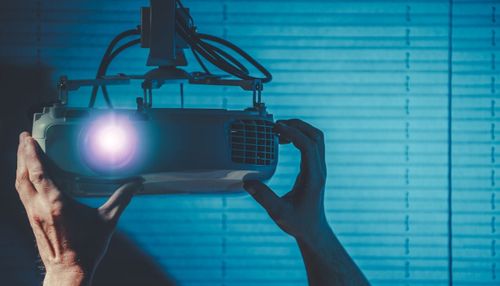
Next, consider your video setup. Comparing projector vs. TV setups depends on room size, lighting, and viewing distance. Large spaces with controlled lighting often shine with a projector and screen, while smaller rooms or bright areas may perform better with a high-end theater TV. If you choose a projector, focus on choosing the right home theater projector screen to ensure sharp images and vibrant colors.
Smart features can enhance your viewing experience. Integration with smart lighting for a home theater room allows you to dim lights or adjust ambiance for theater lighting, creating a cinema-like feel. Streaming capabilities let you access Netflix, Disney+, or other services directly from your TV or projector setup.
Key tips for a successful home theater:
- Match speakers, receivers, and displays to room size and layout
- Plan speaker placement for full surround sound coverage
- Decide between a projector and a theater TV based on space and lighting
- Incorporate smart home features, including smart lighting for the home theater room
By carefully selecting equipment and planning for layout, you can enjoy an immersive and comfortable home theater experience with the perfect home theater seating distance and cinematic sound quality.
Learn More: How to Choose a Good Home Stereo System
Installation, Wiring, and Long-Term Considerations
At Direct Appliance, we know that proper installation and planning are essential for a home theater system that looks great, performs flawlessly, and lasts for years. Thinking ahead about wiring, power, and maintenance helps you avoid common pitfalls and ensures your investment delivers the ultimate viewing experience.
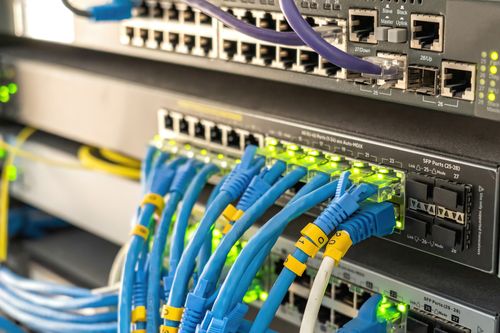
Start with planning cable management and power requirements. Hidden wiring and organized cables keep your space clean and prevent clutter, while ensuring each component has adequate power, which helps your system run safely and efficiently. Consider your setup carefully when deciding between wireless vs wired home theater pros and cons. Wired connections generally provide the most reliable audio and video performance, while wireless systems can reduce visible cables and simplify placement in certain spaces.
Deciding between professional vs. DIY installation is another key step. Professional installation ensures precise speaker placement, optimized sound calibration, and proper setup of displays or projectors. Many modern systems also feature AI audio calibration for home cinema, which automatically adjusts speaker settings to your room for optimal sound. DIY installation can save money but requires careful planning, precise measurements, and some technical know-how to achieve the same results.
Maintenance tips keep your home theater system performing at its best for years. Regularly dust speakers, displays, and vents, check cables for wear, and update firmware on smart devices to maintain optimal functionality.
Budget planning is also important. Balancing cost with performance and features ensures you get the best value without overspending. Consider your priorities—advanced sound features, smart integration, or ultra-bright displays, when allocating funds for equipment and installation.
Key takeaways for a smooth home theater setup include:
- Plan cable management and power placement carefully
- Evaluate wireless vs wired home theater pros and cons for your space
- Consider professional installation for optimal setup and AI audio calibration for home cinema
- Maintain equipment regularly to extend longevity
- Balance your budget with features and performance for long-term satisfaction
With thoughtful planning and proper installation, your home theater system will provide immersive sound and stunning visuals for years to come.
Learn More: Where to Buy Appliances in Modesto, CA: Direct Appliance
Frequently Asked Questions
Start by measuring your room dimensions and ceiling height, then plan seating to ensure clear sightlines to the screen. Consider home theater room layout ideas 2026 to optimize viewing angles, speaker placement, and acoustics for an immersive experience.
The choice depends on room size, lighting, and viewing distance. Projectors work well in larger, darker spaces and provide a cinematic feel, while theater TVs deliver bright, high-resolution images in smaller or naturally lit rooms. Planning for home theater seating distance is essential for comfort and picture quality.
Speaker placement is critical for surround sound and balanced audio. Position front, center, side, and rear speakers according to your room layout, and include a subwoofer for deep bass. Proper setup ensures an immersive audio experience for movies, sports, and gaming.
Both options are possible. DIY installation can save money but requires careful planning of wiring, cable management, and theater lighting. Professional installation ensures precise placement, optimized sound calibration, and integration with smart lighting for home theater room setups for the best long-term performance.
Shop Home Theater Equipment at Direct Appliance
Visit one of our two appliance showrooms to experience the benefits of buying locally with the help of our knowledgeable staff. You can also shop for appliances online! Our friendly experts are always ready to assist you in finding the best appliance in Modesto and Jamestown, CA. Whether you call us at 209-238-3000, use our online chat feature, or come by in person, we're here to help!